


An Bang Beach: The Laid-Back Shore That Keeps Hoi An's Cool
📋 Table of Contents
[!NOTE] Pricing Note for International Tourists The prices listed are inclusive of a 20% tax and service fee applied to foreign tourists. Estimated USD rates are based on current exchange rates and may slightly vary.
An Bang Beach – When Hoi An Is More Than Just the Ancient Town
I still remember that first morning I set foot on An Bang Beach. It wasn’t the blazing summer season, not a crowded holiday period – just an ordinary March morning, when the wind was still a bit chilly and the sun hadn’t yet climbed high. The white sand stretched out almost endlessly, waves lapped gently like the sea’s breath, and far away a few fishing boats painted in blue and red were quietly heading out to sea. That’s when I understood why CNN Travel ranked An Bang Beach in Hoi An among the world’s most beautiful beaches – not because it’s perfect in the style of a luxury resort, but because it’s beautiful in a very real, very human way.
If you’ve ever been to Hoi An and only wandered around the ancient town before heading back, then honestly – you’ve only seen half the soul of this land. An Bang Beach is the other half. In this article, I’ll share everything I know – from the perspective of someone who has lived and traveled in the Da Nang – Hoi An region for decades – so you can experience An Bang in the most complete way possible.
What Is An Bang? Why Did It Make the List of the World’s Most Beautiful Beaches?
The history and geography of a “hidden” beach
An Bang Beach is located in Cam An commune, Hoi An city, Quang Nam province. It lies just about 4–5 km east of the center of Hoi An’s ancient town – close enough to cycle to, but far enough to escape the crowds of tourists.
Unlike Cua Dai – Hoi An’s “official” beach that suffered serious erosion for many years – An Bang has maintained a relatively intact coastline, with fine sand stretching over 3 km. The name “An Bang” comes from a fishing village of the same name that has existed here for hundreds of years, where fishermen have set out to sea in basket boats from generation to generation.
For many decades, An Bang was nearly a “secret” known only to locals and a few Western backpackers who liked to explore. It wasn’t until the early 2010s, when tourism in Hoi An boomed, that An Bang began to attract attention. In 2014, CNN Travel included An Bang in the list of “100 most beautiful beaches in the world” – that boost completely changed the face of this small beach.
What makes An Bang’s distinctive beauty?
People often ask me: “So what’s different about An Bang compared to My Khe or Lang Co beaches?” My answer is always: completely different, in a way that can’t be compared.
My Khe Beach (Da Nang) is beautiful in an urban way – clean, modern, lined with high-rise hotels. Lang Co is beautiful in a majestic way – surrounded by mountains, with vast lagoons. But An Bang is beautiful in a… Mediterranean fishing village lost in Vietnam kind of way.
Imagine: charming little beach bars with wicker chairs, hanging lanterns, cocktail menus written by hand on wooden boards. Coconut palms leaning toward the sea. Traditional basket boats scattered across the sand. And most importantly – the seawater is so clear and blue that you can see the sand beneath your feet at a depth of 1–2 meters on calm days from March to August.
What few people know: An Bang doesn’t have big waves like My Khe or Bai Rang, so it’s extremely friendly for children and non-swimmers. This is why many Hoi An families choose An Bang for their weekend beach trips instead of going further away.

Guide to Getting to An Bang Beach – Don’t Get “Ripped Off” From the Start
From Da Nang to An Bang
This is important information that many travel blogs overlook or write too briefly about. From Da Nang Airport to An Bang Beach is about 28–32 km, taking about 40–55 minutes depending on traffic conditions.
There are several transportation options:
Taxi/Grab: Convenient but risky. I’ve witnessed many tourists being taken on detours by traditional taxis or charged higher than actual rates, especially foreign visitors on their first visit. Grab is safer but during peak hours or rain, surge pricing can double the fare.
Rental motorbike: Only choose this if you’re already familiar with the roads and know how to ride in Vietnamese traffic conditions. The stretch from Da Nang across Cua Dai Bridge into Hoi An is quite manageable, but the roads within Hoi An have many alleys where it’s easy to get lost.
All-inclusive shuttle service: This is what I always recommend to friends and tourists. Especially if you’ve just landed, carrying luggage, and aren’t familiar with the roads – having a local driver waiting at the arrivals hall, knowing every street in Hoi An, and able to give you tips about restaurants is invaluable.
[!TIP] The Da Nang Airport shuttle service from Faifo Express is my trusted choice and what I recommend to everyone. Clean vehicles, punctual drivers, fixed prices with no surprise charges. They have 4-seater, 7-seater, and 16-seater vehicles suitable for groups of any size. More importantly, Faifo Express drivers are all locals – they know shortcuts, know which roads are congested, and are happy to stop for breakfast if you want.
From central Hoi An to An Bang Beach
This is a shorter stretch, just about 4–5 km. Locals usually go by bicycle since the road is flat, open, and cycling through rice fields or the vegetable gardens of Tra Que village on the way to the beach is really quite enjoyable.
However, if you’re traveling with a family group, have small children or elderly people, or simply don’t want to tire yourself out before swimming, consider booking a Hoi An shuttle service with flexible pickup and drop-off. Faifo Express has daily rental packages perfect for the “morning in the ancient town, afternoon at An Bang Beach” itinerary that many tourists prefer.
[!NOTE] Address to enter into Google Maps when finding directions to An Bang Beach: “An Bang Beach, Hoi An” or search for “An Bang Beach, Cam An, Hoi An”. The most common route from the ancient town is along Nguyen Phan Vinh Street, through Tra Que village, then straight to the beach.

Real Experiences at An Bang Beach – What’s Worth Doing?
Swimming and relaxation – The art of “doing nothing”
It may sound obvious, but swimming at An Bang has its own “formula” that locals often follow.
Golden time: From 6am–8am or 4pm–6pm. The sea is calmest in the early morning, the water is clearest, and you’ll almost have the entire beach to yourself. In the late afternoon, the sunlight turns golden, which is perfect for photography.
Safest swimming area: The stretch of beach in front of large beach bars like An Bang Beach Club, Mango Mango, Soul Kitchen – these areas usually have flags and staff on duty. Avoid swimming far from shore in the late afternoon when the wind picks up.
Local tip: If you rent a lounger at beach bars (usually 50,000–120,000 VND (≈$5) per lounger, free if you order drinks), don’t leave your belongings on the lounger when you go swimming. Although An Bang is quite safe, phones and wallets should still be left with someone you trust or in a waterproof bag.
What to eat at An Bang Beach?
This is my favorite part because An Bang has a very special “food ecosystem” – both traditional Vietnamese food for locals and international cuisine for Western visitors.
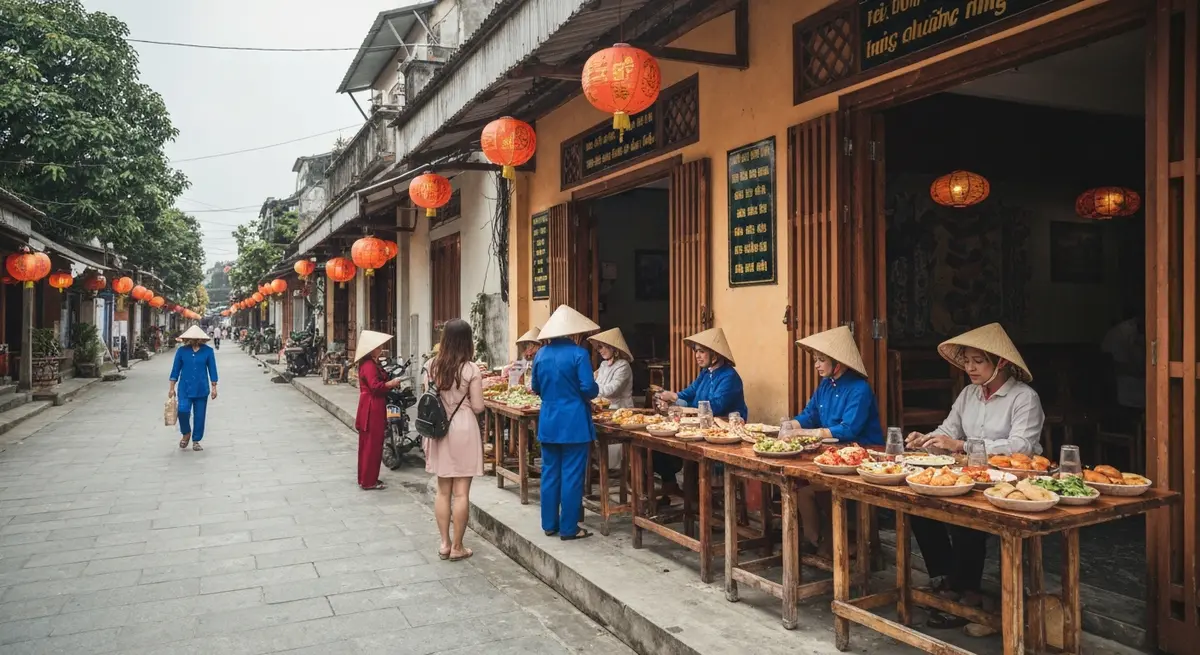
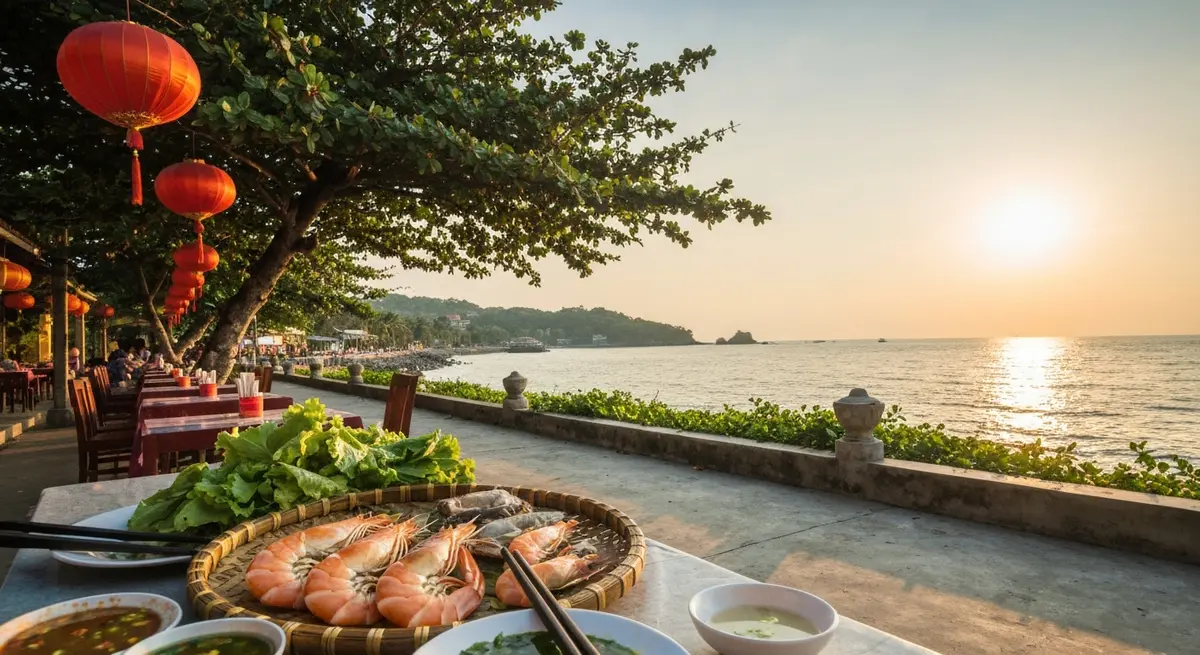
Fresh seafood: Along the road to the beach there are a few casual seafood restaurants run by locals. Crabs, shrimp, squid, snails – all fresh from fishermen’s boats straight to the kitchen. Prices here are significantly cheaper than in the ancient town. A large steamed crab with lemongrass and ginger costs only about 150,000–200,000 VND, and a seafood meal for 4 people usually costs just 400,000–600,000 VND and leaves you very full.
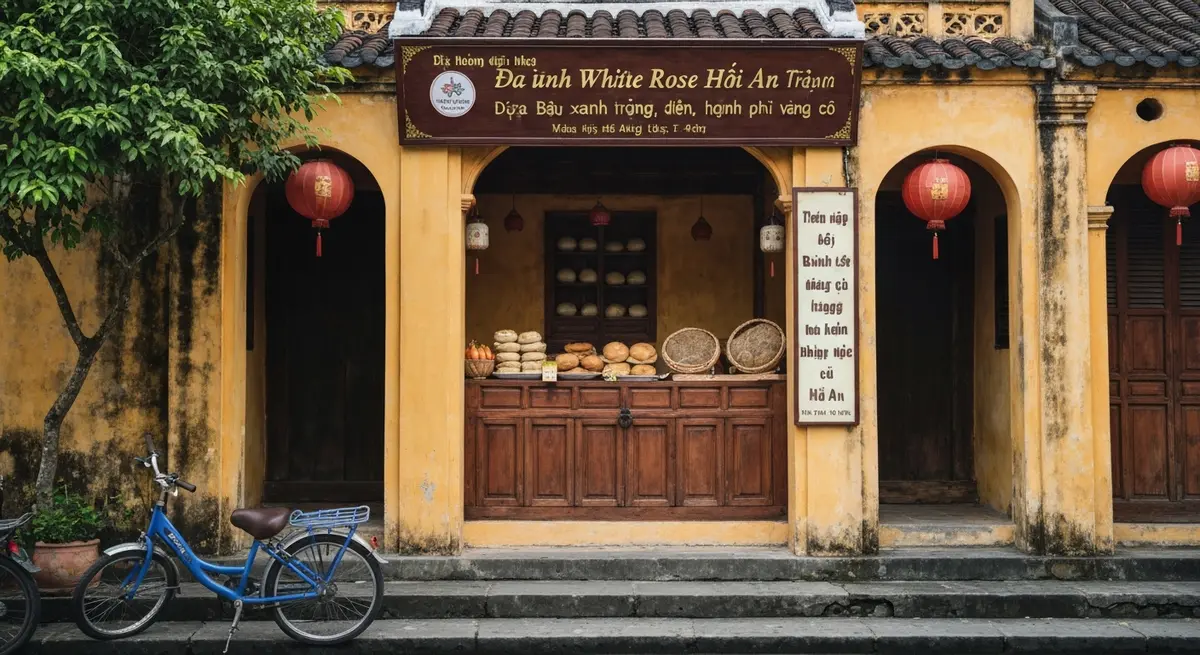
Phuong Banh Mi – An Bang branch: Few people know that the legendary Phuong Banh Mi of Hoi An now has a sales point near the An Bang area. A signature banh mi with pate, grilled meat, and fresh herbs costs only about 25,000–35,000 VND – the perfect breakfast before heading to the beach.
Beach bars and drinks: Places like Soul Kitchen, An Bang Beach Club, Mango Mango are famous for tropical cocktails, fresh fruit smoothies, and Western food. Prices range from 80,000–240,000 VND (≈$9) per drink, 150,000–360,000 VND (≈$14) per dish. Not cheap, but sitting in a wicker chair looking out at the sea with a mojito in hand is… worth it.
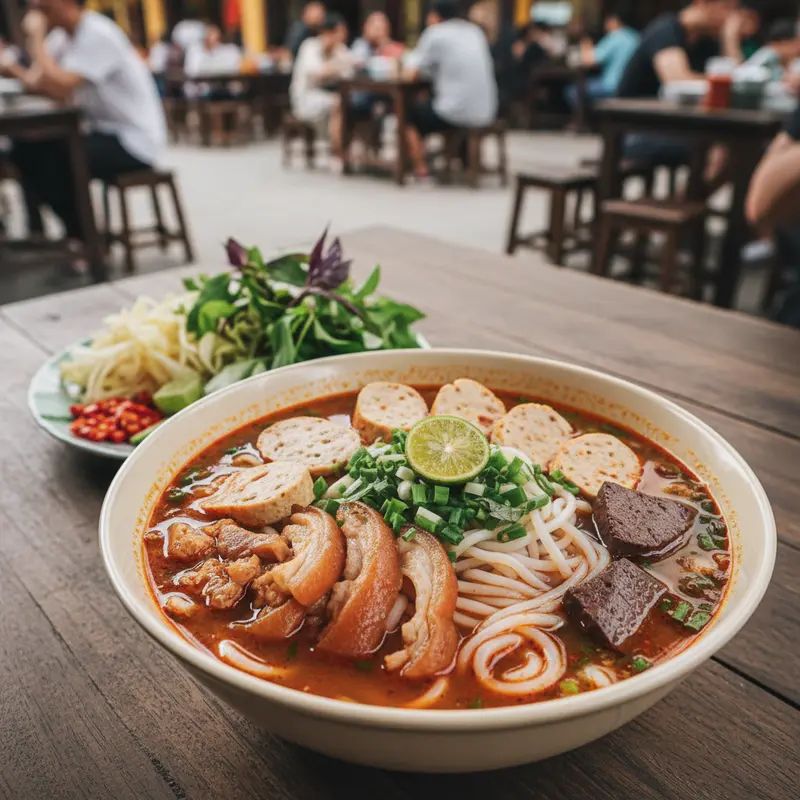
Must-try specialty cuisine: Bun ca (fish noodle soup) – a specialty of the Hoi An coastal area – is sold at a few small restaurants in An Bang village. The bun ca here uses fresh fish from the sea, with naturally rich and sweet broth, completely different from bun ca in town. Price is only 25,000–42,000 VND (≈$2) per bowl.
[!TIP] If you want delicious seafood at fair prices, go in the late afternoon from 4pm–6pm when fishing boats have just returned. You can buy directly from the boats or at the small market at the village entrance, then ask a nearby restaurant to cook it for a very cheap processing fee. This is the “trick” locals often use.
Fun activities at An Bang
Kayaking: Some beach bars rent kayaks for 100,000–180,000 VND (≈$7) per hour. Kayaking along An Bang’s coastline in the early morning is a wonderful experience – you can see fishermen pulling nets, small fish swimming in crystal-clear water.
Stand-up Paddleboarding: Increasingly popular at An Bang, rental prices are about 150,000–240,000 VND (≈$9) per hour, usually with basic instruction included.
Fishing tour with fishermen: This is an extremely unique experience that few tourists know about. You can contact fishermen in the village directly to join an early morning fishing trip (around 4am–7am). The cost is usually negotiated directly, around 200,000–360,000 VND (≈$14) per person. You’ll learn how to cast nets, operate basket boats, and can take home fresh-caught fish to have a restaurant cook for you.
Yoga and meditation on the beach: Many resorts and homestays near An Bang offer morning yoga classes right on the sand. Search on Facebook or ask your homestay.
Photography and check-ins: An Bang has countless beautiful spots. The traditional woven basket boats of fishermen are an incredibly photogenic prop – and free to use. However, ask the fishermen’s permission before climbing on their boats for photos – this is basic courtesy that many tourists forget.
Estimated Costs for Your An Bang Beach Trip
I’ll break it down by category so you can plan easily:
Transportation costs
| Transportation | From Da Nang | From Hoi An Ancient Town |
|---|---|---|
| Grab/Taxi | 250,000–480,000 VND (≈$18) | 50,000–96,000 VND (≈$4) |
| Bicycle rental | Not practical | 30,000–60,000 VND (≈$2)/day |
| Motorbike rental | Not applicable | 100,000–180,000 VND (≈$7)/day |
| Shuttle service (Faifo Express) | From 420,000 VND (≈$16)/vehicle | Contact for quote |
Costs at the beach
- Lounger rental: 50,000–120,000 VND (≈$5) per lounger (or free with drink purchase)
- Umbrella rental: 50,000–120,000 VND (≈$5)
- Kayak/SUP: 100,000–240,000 VND (≈$9) per hour
- Beach bar drinks: 50,000–240,000 VND (≈$9) per drink
- Casual seafood meal: 100,000–240,000 VND (≈$9) per person
- Beach bar international meal: 300,000–720,000 VND (≈$28) per person
Total estimated budget for 1 day
- Budget (backpacker): 300,000–600,000 VND (≈$23) per person
- Mid-range (family): 600,000–1,200,000 VND (≈$46) per person
- Comfortable (leisure): 1,200,000–2,400,000 VND (≈$92) per person
[!NOTE] The figures above are estimates at the time of writing. Prices may change seasonally – summer (June–August) is typically 20–30% higher than low season.
Insider Tips – Things Only Locals Know
Best time to visit An Bang
Best season: From March to August, especially April, May, and June. The weather is sunny, the sea is calm, and the water is at its clearest blue. This is also peak tourism season so the beach will be more crowded, especially on weekends.
Season to avoid: From October to December is the rainy and stormy season in Hoi An. Flooding can occur, the sea is rough, and swimming is not possible. However, if you like a quiet atmosphere and don’t mind light rain, September and January–February have their own charm – fewer tourists, cheaper accommodation, and a chance to experience An Bang more authentically.
Golden hours of the day:
- 5:30am–7:30am: Absolutely calm sea, stunning sunrise, fishermen heading out or just returning. Fewest people.
- 8am–11am: Gradually getting busier, beautiful sun, good for swimming.
- 11am–2pm: Hottest sun, best to rest or stay in a beach bar.
- 3pm–6pm: Softer sun, cool breeze, best time for swimming and photography. This is the “golden” hour in both literal and figurative senses.
- 6pm–8pm: Sunset and dinner time with seafood – not to be missed.
What to bring and wear
- SPF 50+ sunscreen: Essential. The sun in Hoi An is intense from April–August; you can get sunburned in just 30 minutes without protection.
- Sunglasses and wide-brimmed hat: Necessary for both morning and afternoon.
- Flip-flops or sandals: An Bang’s sand can be very hot at midday.
- Waterproof bag: To protect your phone and wallet when swimming.
- Beach towel: Some beach bars provide rentals but not all.
- Drinking water: Bring at least 1–2 bottles of water, especially if traveling with children.
Tips for Getting the Best Value
[!WARNING] Warning about unlicensed taxis: The road to An Bang occasionally has taxis without meters offering “cheap” rides back to Hoi An. Absolutely don’t take them – actual prices are usually 2–3 times higher. Always use Grab or book in advance with a reliable service like Faifo Express.
[!WARNING] Warning about “overpriced” seafood: Some seafood restaurants near the beach don’t display prices clearly and charge by weight at unusually high rates. Always ask the price and confirm the unit (price per kg or per item) before ordering. Choose restaurants with printed menus or those recommended by locals.
[!WARNING] Warning about unofficial “tours”: People may approach you on the beach offering fishing tours, island tours, etc. with unclear pricing. Book tours through established travel companies with clear addresses or through your homestay/hotel.
Safe restaurant selection tip: Restaurants crowded with local customers (Vietnamese people, not Western tourists) are usually the best and most fairly priced. This simple “algorithm” is extremely effective.
Accommodation Near An Bang Beach – Which Type Should You Choose?
Homestays and casual guesthouses
The An Bang village area and the road to the beach have many small homestays run by local residents. This is an excellent choice if you want to experience real fishing village life. Room prices range from 200,000–600,000 VND (≈$23) per night, usually including a simple breakfast.
Advantages: Cheap, close to the beach, friendly owners who often share interesting local information. Disadvantages: Basic amenities, no swimming pool, limited space.
Boutique resorts and villas
This is the fastest-growing segment at An Bang over the past 5 years.
📍 Reference location; open Google Maps for directions and the latest information.
Open in Google MapsFrequently Asked Questions
Frequently asked questions about An Bang Beach Hoi An
What is the best way to use this guide to An Bang Beach Hoi An: World's Most Beautiful Beach?
Is An Bang Beach Hoi An: World's Most Beautiful Beach suitable for a first-time visitor?
Can I combine An Bang Beach Hoi An: World's Most Beautiful Beach with other nearby plans?
What should I confirm before making plans for An Bang Beach Hoi An: World's Most Beautiful Beach?
How can I avoid last-minute problems with An Bang Beach Hoi An: World's Most Beautiful Beach?
Tags
The Faifo Express
This article was written by the driver and travel consultant team at Faifo Express — over 5 years of experience in travel transport across Da Nang, Hoi An, and Hue. All information is based on real experience serving 5,000+ customers every month.
Related services
Airport Transfer
Hotel pickup, all-inclusive price
View DetailsDay Tour Car Rental
Ba Na Hills, Hoi An, My Son...
View DetailsShared Car
From just 100K VND/person
View DetailsTourist Car Rental
Explore the beauty of Central Vietnam with our private tourist car service.
View Details🛣️ Popular Routes
Follow Faifo Express
Get exclusive deals, real reviews and the latest Central Vietnam travel tips.
Faifo Express
Updates, customer reviews & real trip photos.
@trm.anh.travel
Real experience videos, Da Nang – Hoi An travel tips.
@xedichvudananghoianhue
Real videos of routes, fleet and transfer services.
@xedananghoianFE
Quick news, flash deals and direct interaction.
DM us on Facebook — response within 5 minutes