


The Museum of Cham Sculpture: Standing Face to Face with a Lost Kingdom
📋 Table of Contents
When Millennia of History Speaks — Da Nang Museum of Cham Sculpture
There’s a place in Da Nang that I always take friends to before they can even ask “where should we go now?” — it’s not Dragon Bridge, not My Khe Beach, but a pale yellow building quietly situated by the Han River, where thousand-year-old stone sculptures await to tell their stories. The Da Nang Museum of Cham Sculpture — also known as Musee Cham — is Southeast Asia’s largest cultural treasure trove of Champa art, a kingdom that once dominated the central coast for over ten centuries. If you think museums are just boring places with dusty glass cases, let me — a Da Nang native who has visited here no less than twenty times — completely change that thought.
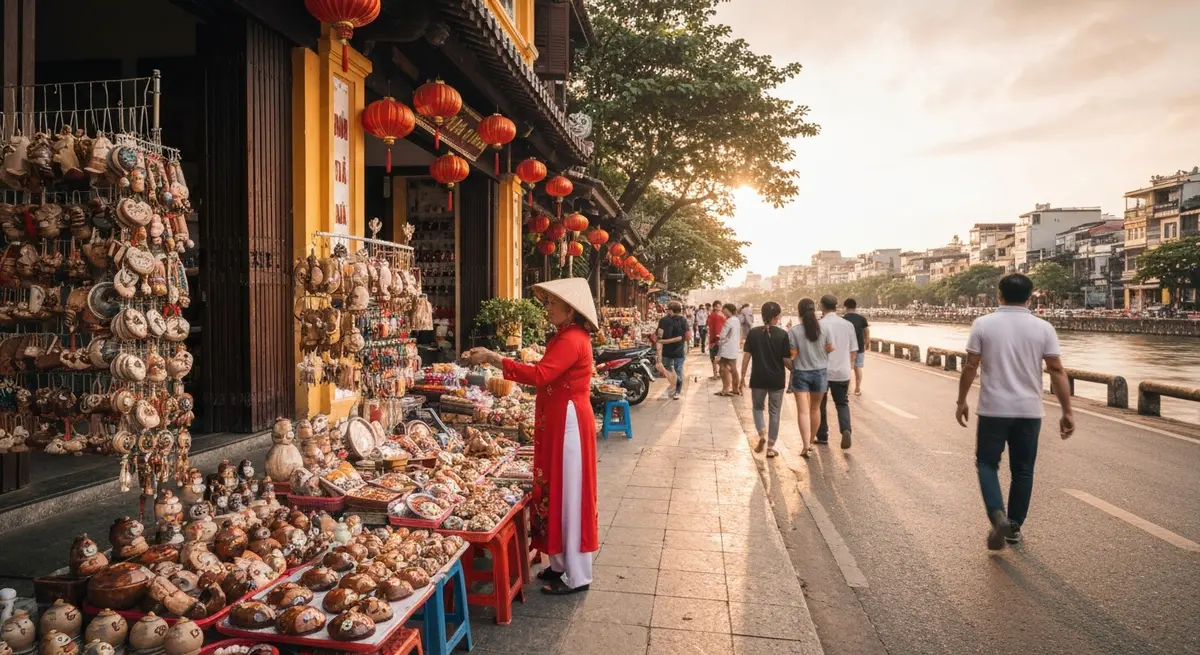
The Kingdom of Champa and the Story Behind the Stone Sculptures
Champa — A Civilization Long Forgotten
People often know Vietnam through the lens of Kinh culture, but few mention a parallel civilization that existed and flourished vibrantly on this very land: the kingdom of Champa. From the 2nd century AD until the 17th century, the Cham people built a powerful empire stretching from present-day Quang Binh to Binh Thuan, with its center of power located in the region we now call Quang Nam — Da Nang.
They were skilled sailors, astute merchants on the East Sea Silk Road, and more importantly — they were master sculptors. Under the influence of Hinduism and later Islam, the Cham people created a unique and unmistakable art form: it carried the breath of India through the figures of Shiva, Vishnu, and the goddess Lakshmi; yet it was also imbued with local identity through the soft, graceful sculptural lines characteristic of the Cham people.
What is heartbreaking is that much of this heritage has been destroyed by war, time, and human indifference. What remains — and is preserved in this museum — are the final pieces of a grand civilization’s picture.
The Museum’s Formation History — From French Ideas to National Heritage
The Da Nang Museum of Cham Sculpture has a rather interesting formation history, closely linked to the French colonial period. In the late 19th century, French scholars from the Ecole francaise d’Extreme-Orient (EFEO) began excavating and researching Cham towers scattered throughout the central region. They collected a massive volume of artifacts and realized the need for a worthy place to preserve them.
In 1915, the museum construction officially began, designed by two French architects, Henri Parmentier and Charles Carpeaux. The building was constructed in the French colonial architectural style but skillfully incorporated decorative elements inspired by Cham art — a rare cultural fusion. By 1919, the museum officially opened its doors to visitors, becoming one of the oldest museums in Indochina.
Over the decades, the museum has been expanded multiple times — notably in 1936, 2002, and 2012 — to accommodate the ever-increasing number of artifacts. Currently, the museum houses over 2,000 original sandstone and terracotta artifacts, with about 500 items on permanent display, categorized by artistic style and geographical region.
[!NOTE] The museum is recognized as a historical and cultural relic.national history and culture** and is a member of the International Council of Museums (ICOM). This is the largest and most important Cham sculpture museum in the world, not just in Vietnam.
Exploring Inside — Must-See Exhibition Halls
Classification System by Artistic Style
What sets the Da Nang Museum of Cham Sculpture apart from many other museums is its organization of exhibition spaces. Instead of a purely chronological arrangement, the museum classifies artifacts by artistic style and excavation area, reflecting the diversity of Cham artistic expression across different periods.
The main exhibition halls include:
My Son Hall — This is the heart of the museum. Artifacts from the My Son sanctuary (now a UNESCO World Heritage Site) are displayed here, including altars, statues of Shiva, and bas-reliefs depicting Hindu mythology. I always spend a long time in this hall, especially in front of the Apsara dancer bas-relief — its lines are so incredibly soft that it’s hard to believe it’s a work carved from hard stone over a thousand years ago.
Tra Kieu Hall — Tra Kieu was once the capital Simhapura of the Champa kingdom. The artifacts here often have a more grand and majestic style, reflecting its central position of power. The Tra Kieu altar with its intricate carvings of the life of Lord Vishnu is one of the museum’s supreme treasures.
Dong Duong Hall — Dong Duong (now in Quang Nam province) was once a major Buddhist center of Champa. The artifacts here are heavily influenced by Mahayana Buddhism, with statues of Bodhisattvas and Buddhas possessing serene and benevolent expressions — a stark contrast to the energetic Hindu style in other halls.
Thap Mam Hall — Artifacts from Thap Mam (Binh Dinh province) exhibit a unique artistic style with powerful, sometimes more fierce, depictions of deities and mythical creatures compared to the My Son or Tra Kieu styles.
Quang Tri and Quang Ngai Halls — Less noticed but no less interesting, these halls feature artifacts reflecting cultural exchanges in the border regions of the Champa kingdom.

Must-See Masterpiece Artifacts
After multiple visits, I’ve compiled a list of artifacts you absolutely must stop and admire:
1. Tra Kieu Altar (7th-8th century): Considered a masterpiece of Cham sculpture, this altar features four sides intricately carved with scenes from the Indian epics Ramayana and Mahabharata. Each character is depicted with clear expressions and graceful postures — a testament to the masterful talent of Cham artisans.
2. Apsara Dancer Statues: The image of celestial dancers from Hindu mythology appears frequently in Cham art, but the Apsara statues here possess their own unique charm: soft bodies, mysterious smiles, and curves carved with characteristic confidence and refinement.
3. Gajasimha Statues (Lion-Elephant): This is the most fascinating creature for me — a mythical being with an elephant’s head and a lion’s body, used as a guardian of temples. The Gajasimha statues at the museum have expressions that are both majestic and… somewhat humorous in their own way.
4. Linga and Yoni: The phallic symbol in Hindu worship, representing the union of Lord Shiva (masculinity) and feminine energy (Shakti). The existingThis often surprises Western tourists, but in the context of Cham spirituality, they hold sacred meanings of life and fertility.
5. Statue of Shiva Nataraja (The Dancing God): The image of Shiva dancing within a circle of fire—a symbol of destruction and rebirth—is one of the most beautiful statues in the museum, showcasing the Cham artisans’ profound understanding of Hindu philosophy.
[!TIP] The museum offers audio guides in multiple languages (Vietnamese, English, French, Japanese, Korean) for rent at the reception desk for approximately 60,000 VND (≈$2). This is a worthwhile investment as the commentaries are very detailed and vivid, helping you understand each artifact more deeply instead of just looking and… not knowing what you’re looking at.
Museum Architecture — An Artwork in Itself
Don’t just focus on the artifacts inside—the museum building itself is a highlight worth admiring. The structure is built in the French colonial architectural style with domes, colonnaded walkways, and large windows that welcome natural light. However, what I liked most were the Cham-inspired decorative details skillfully integrated into the design: floral patterns on the railings, on the tops of columns, on the eaves—creating an interesting dialogue between the two cultures.
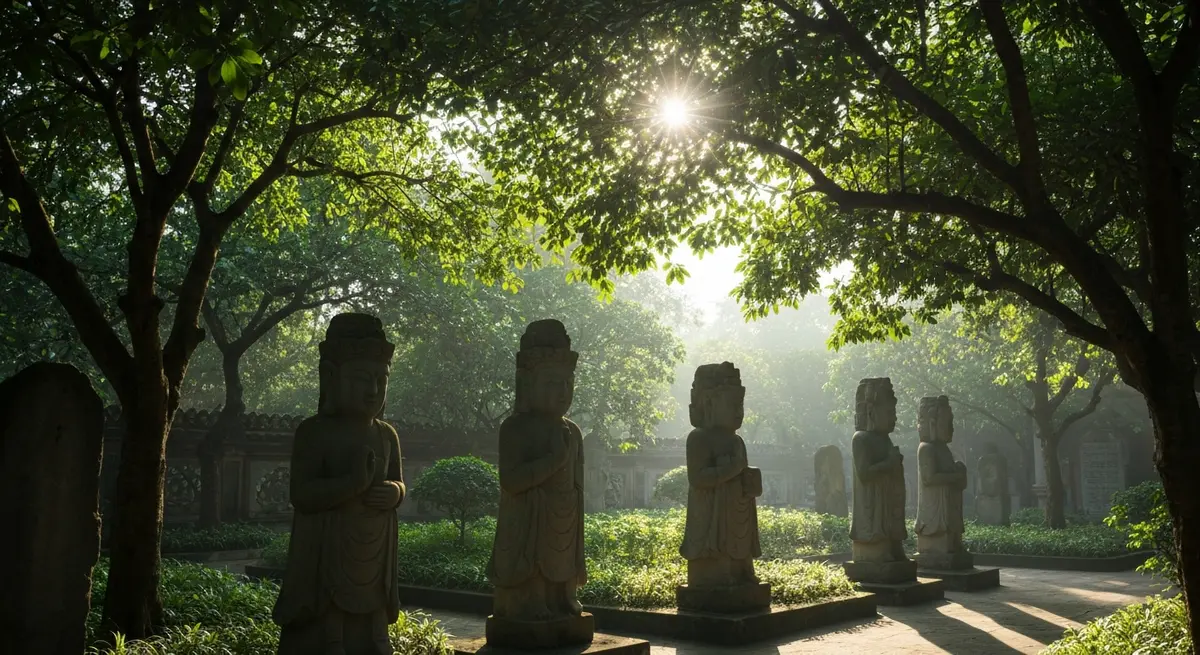
The museum grounds are quite spacious, featuring a lush green garden with many artifacts displayed outdoors—especially large stone statues, altars, and architectural elements from Cham towers. In the early morning, sunlight filtering through the green canopy onto the moss-covered stone statues creates a scene that is both ancient and poetic, so much so that I will never forget it.
Guide to Getting to the Museum of Cham Sculpture Da Nang
Location and How to Get There
The Museum of Cham Sculpture is located at 2 Trung Nu Vuong Street, Hai Chau District, Da Nang—an extremely convenient location right in the city center, less than 1km from Dragon Bridge and about 3km from My Khe Beach. If you are in the central Da Nang area, you can easily walk or cycle here.
However, if you are coming from Da Nang Airport or want to combine visiting the museum with other destinations during the day (such as Marble Mountains, Hoi An, or My Son), I strongly recommend using a professional shuttle service instead of relying on taxis or Grab.
Why Choose Faifo Express Over Taxis or Grab?
This is something I want to state frankly from my own practical experience and that of many tourists I know:
Problems with traditional taxis: In Da Nang, the issue of taxis “ripping off” tourists, especially foreigners, still occurs—though not as common as before. Some drivers deliberately take detours, “forget” to turn on the meter, or quote unreasonably high fixed prices.
Problems with Grab: Grab is convenient but not always available when you need it, especially during peak hours or holidays. Moreover, Grab drivers are often not locals who are knowledgeable about the area—they just take you from point A to point B without being able to offer any further advice.
Reasons to choose Faifo Express: This is a tourist transportation service operated by locals, with a team of local drivers who are familiar with every road and every destination in Da Nang and its surrounding areas. The biggest differences are:
- Fixed, transparent pricing—no extra charges or detours
- Drivers double as local guides—they can tell you interesting stories about the landmarks along the way
- Clean, air-conditioned vehicles—important as Da Nang’s weather can be very hot or experience sudden rain
- Flexible schedule** — you can request to stop at additional points, adjust the time without unreasonable extra charges
- Full package service from Da Nang airport pick-up to Hoi An bus routes, Ba Na Hills bus, or city tours
[!TIP] If you want to combine a visit to the Museum of Cham Sculpture with a trip to Hoi An on the same day (a very popular itinerary and one I highly recommend), book your Da Nang — Hoi An car service with Faifo Express in advance. The driver can pick you up at your hotel, visit the museum in the morning, and then take you to Hoi An in the afternoon — saving you significant time and effort.
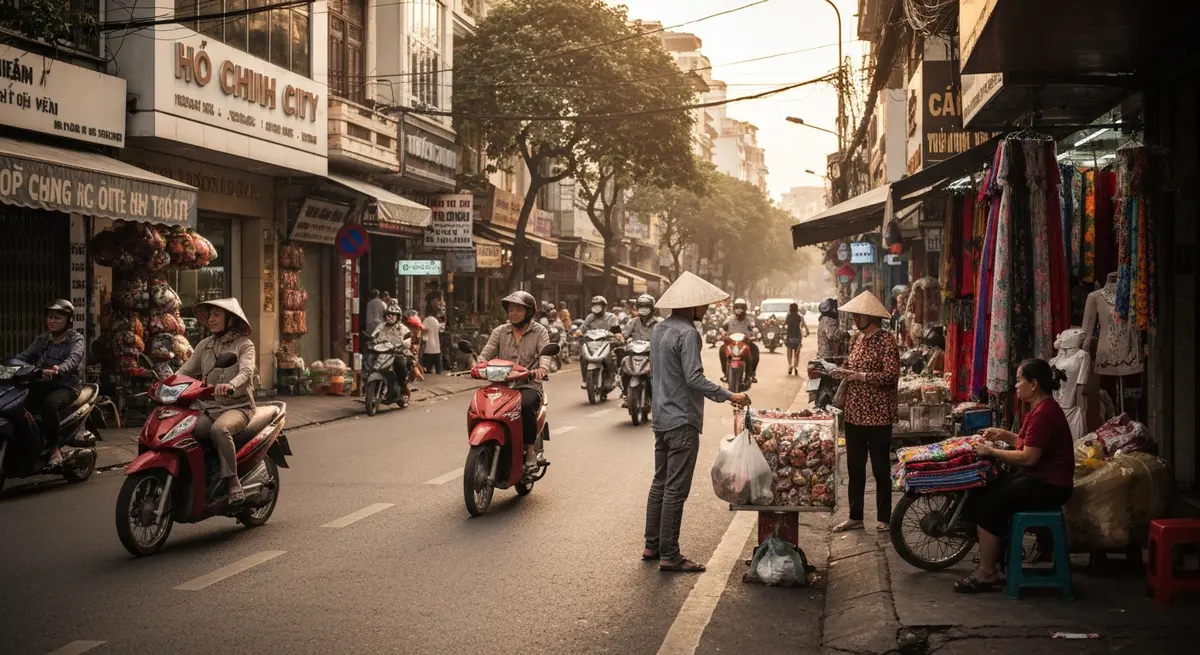
Real Experience — What to Do, What to See, What to Photograph
Ideal Itinerary
The museum is not very large, but if you truly want to absorb all the content, dedicate at least 2-3 hours. Here is the itinerary I usually suggest:
7:30 - 8:00 AM: Arrive early when the museum just opens. It will be less crowded, the morning light is beautiful, and you can take photos comfortably and admire the artifacts without being jostled.
8:00 - 9:30 AM: Visit in order from the My Son gallery → Tra Kieu → Dong Duong → Thap Mam. Don’t rush — linger in front of the artifacts that pique your curiosity.
9:30 - 10:00 AM: Head to the outdoor garden, admire the outdoor exhibits, and relax in the cool green space.
10:00 - 10:30 AM: Visit the museum’s souvenir shop (quite extensive with books, paintings, and Cham-themed handicrafts) and enjoy a coffee in the resting area.
Best Photo Spots for Check-ins
As a photography enthusiast, I’ve tried most of the spots in the museum, and these are the ones I find most beautiful:
Main Entrance: Shoot from the direction of Trung Nu Vuong street looking in, with the yellow building as the backdrop and the green trees on both sides — this is the classic “cover photo” angle.
Corridor with Columns: Inside the museum, there are long corridors with French architectural columns — the light filtering through creates beautiful patterns of light and shadow for artistic photos.
Outdoor Garden: Especially beautiful in the early morning when the sunlight is gentle, the stone statues are surrounded by lush greenery.
In Front of the Apsara Statue: Take a close-up shot of the dancing maiden statue with light shining from the side to highlight the intricate carvings.
[!WARNING] DO NOT use flash when taking photos inside the museum — strong light can damage ancient artifacts. Additionally, some areas prohibit photography — pay attention to signs or ask museum staff beforehand.
What to Eat Around the Museum?
After your visit, you’ll need to refuel. There are quite a few dining options in the area surrounding the museum:
Mi Quang and Banh Mi: Just a 5-minute walk towards Hung Vuong street will lead you to a row of authentic Mi Quang and Banh Mi Da Nang stalls, with prices ranging from 25,000 - 60,000 VND (≈$2) per serving.
Bun Cha Ca: An unmissable specialty of Da Nang — there are many delicious eateries on Tran Phu street nearby.
Coffee: Da Nang has a rich coffee culture. I often visit small cafes on Bach Dang street along the Han River to enjoy coffee while admiring the river — perfect after a morning of museum visits.
Estimated Costs — How Much Does a Museum Visit Cost?
Entrance Ticket Prices
This is one of the museum’s “pleasant surprises” — the entrance ticket price is extremely affordable:
[!NOTE] Pricing Note for International Tourists The prices listed are inclusive of a 20% tax and service fee applied to foreign tourists. Estimated USD rates are based on current exchange rates and may slightly vary.
| Category | Ticket Price |
|---|---|
| Adults (Vietnamese) | 72,000 VND (≈$3) |
| Adults (Foreigners) | 72,000 VND (≈$3) |
| Children under 15 | Free |
| Students with ID | 36,000 VND (≈$1) |
[!NOTE] The above ticket prices may change over time. It is recommended to recheck on the museum’s official website or call to confirm before visiting.
Total Cost for a Visit
To give you an overview, here is an estimated cost for one person for a museum visit combined with breakfast:
- Entrance ticket: 72,000 VND (≈$3)
- Audio guide (optional): 60,000 VND (≈$2)
- Breakfast/lunch in the vicinity: 50,000 - 120,000 VND (≈$5)
- Transportation (depending on transport method): 30,000 – 180,000 VND (≈$7)
- Total estimated cost: 204,000 VND (≈$8) – 432,000 VND (≈$17) / person
💡 With such affordable costs, the Museum of Cham Sculpture is one of the most worthwhile destinations in Da Nang — especially for travelers passionate about history, art, and ancient culture.
Frequently Asked Questions
Frequently asked questions about Da Nang Cham Sculpture Museum
What is the best way to use this guide to Da Nang Cham Sculpture Museum: Preserving Champa's Legacy?
Is Da Nang Cham Sculpture Museum: Preserving Champa's Legacy suitable for a first-time visitor?
Can I combine Da Nang Cham Sculpture Museum: Preserving Champa's Legacy with other nearby plans?
What should I confirm before making plans for Da Nang Cham Sculpture Museum: Preserving Champa's Legacy?
How can I avoid last-minute problems with Da Nang Cham Sculpture Museum: Preserving Champa's Legacy?
Tags
The Faifo Express
This article was written by the driver and travel consultant team at Faifo Express — over 5 years of experience in travel transport across Da Nang, Hoi An, and Hue. All information is based on real experience serving 5,000+ customers every month.
Related services
Airport Transfer
Hotel pickup, all-inclusive price
View DetailsDay Tour Car Rental
Ba Na Hills, Hoi An, My Son...
View DetailsShared Car
From just 100K VND/person
View DetailsTourist Car Rental
Explore the beauty of Central Vietnam with our private tourist car service.
View Details🛣️ Popular Routes

Follow Faifo Express
Get exclusive deals, real reviews and the latest Central Vietnam travel tips.
Faifo Express
Updates, customer reviews & real trip photos.
@trm.anh.travel
Real experience videos, Da Nang – Hoi An travel tips.
@xedichvudananghoianhue
Real videos of routes, fleet and transfer services.
@xedananghoianFE
Quick news, flash deals and direct interaction.
DM us on Facebook — response within 5 minutes