


What to Buy in Hue: Sesame Candy, Shrimp Paste and Other Honest Souvenirs
📋 Table of Contents
Hue and the Obsession Carried in Luggage
There’s a peculiar thing that almost everyone who has set foot in Hue admits: leaving this city, you don’t just carry memories — you want to bring a piece of its soul home with you. And Hue’s soul, if it were to be materialized, would be the items sold in small shops along Tran Hung Dao street, under the eaves of Dong Ba Market, or in stalls fragrant with roasted sesame along the ancient streets.
What to buy as gifts when traveling to Hue? This question seems simple but can easily lead to “mistakes” if you don’t have local guidance. Buying mass-produced items that look like specialties, buying the right thing but from the wrong place, or buying too much without knowing how to preserve it — these are all mistakes I’ve made on my first trips. After many years of being connected to this ancient capital, I want to write a truly in-depth guide about the three most characteristic gifts of Hue: me xung, mam ruoc, and conical hats — not a superficial list, but the stories behind each item, how to choose the authentic ones, and reliable places to buy them that only locals know.
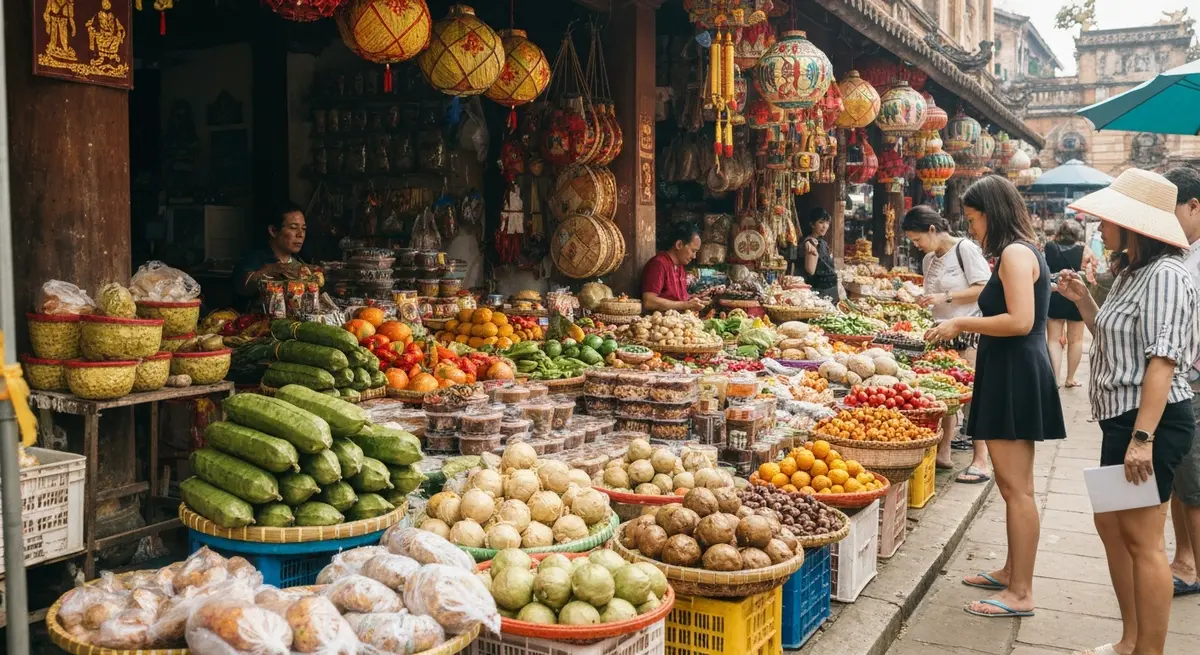
Hue Me Xung — The Century-Old Candy Not Everyone Eats Correctly
What is me xung and why is it so special?
If you think me xung is just ordinary “sesame candy,” you are completely mistaken. Hue me xung is a traditional candy with a history of over 100 years, closely associated with the imperial culinary culture of the Nguyen Dynasty. Legend has it that this was a candy once offered to royalty on festive occasions, and therefore, its production process is as meticulous as any imperial dish.
The basic ingredients of me xung include sugar, maltose, sesame seeds, and flour. But what makes it different lies not in the ingredients — it lies in the mixing ratio, the heat when cooking the sugar, and the manual candy-pulling process. A standard batch of me xung must have an opaque ivory white color, not transparent like industrial candy. When bitten, it should have a slight crispness that transitions to chewiness, not excessively sticky to the teeth, and the roasted sesame aroma must be rich, not burnt.
There are three popular types of me xung in Hue that you need to distinguish:
- Chewy me xung: The soft, chewy type, suitable for those who don’t like it too hard. This is the type most easily mistaken for regular sesame candy.
- Hard me xung (crispy me xung): The more traditional type, crispy when bitten, lasts longer, suitable for gifts to take far away.
- Canned me xung: Nicely packaged, often with various flavors like coconut, ginger, pandan — suitable for more elegant gifts.
How to choose authentic me xung — Local secrets
This is the part I want to be most direct about: do not buy me xung from souvenir shops right at the Imperial City gate or along Le Loi street unless you check carefully. Many places sell mass-produced items with attractive packaging but the quality doesn’t match.
Simple checks:
- Look at the color: Authentic me xung has a naturally opaque white or light yellow color. A color that is too pure white or too dark yellow is suspicious.
- Smell it: There must be a fragrant roasted sesame smell immediately upon opening the package. No smell or an artificial smell — skip it.
- Try a piece: Most reputable shops allow tasting. Don’t hesitate to ask for a sample.
- Check the expiration date: Handmade me xung usually only lasts 1-2 months at room temperature. If the expiration date is 6 months or more without preservatives listed on the label — raise a question.
Places to buy me xungreputable in Hue
Names I trust after many years:
- Thien Huong Sesame Candy (3 Tran Hung Dao Street, Hue City): One of the oldest brands, a family heirloom for over 70 years. The shop is small and not eye-catching, but the quality is consistent.
- Song Hy Sesame Candy (Hung Vuong Street): Famous for its premium tin box sesame candy, suitable for gifting.
- Dong Ba Market (1st floor, confectionery stalls): If you want to buy in large quantities at a better price, this is the choice. But bargain and try the product first.
[!TIP] Buy sesame candy early in the morning (before 9 AM) at small production facilities in the Nguyen Trai or Phan Boi Chau street areas — you might see people making candy by hand and be able to buy the freshest batch of the day, usually 10-15% cheaper than retail stores.
Reference Prices: Handmade sesame candy ranges from 80,000 – 180,000 VND (≈$7)/kg depending on the type. Pre-packaged gift boxes range from 50,000 – 240,000 VND (≈$9)/box depending on size and brand.
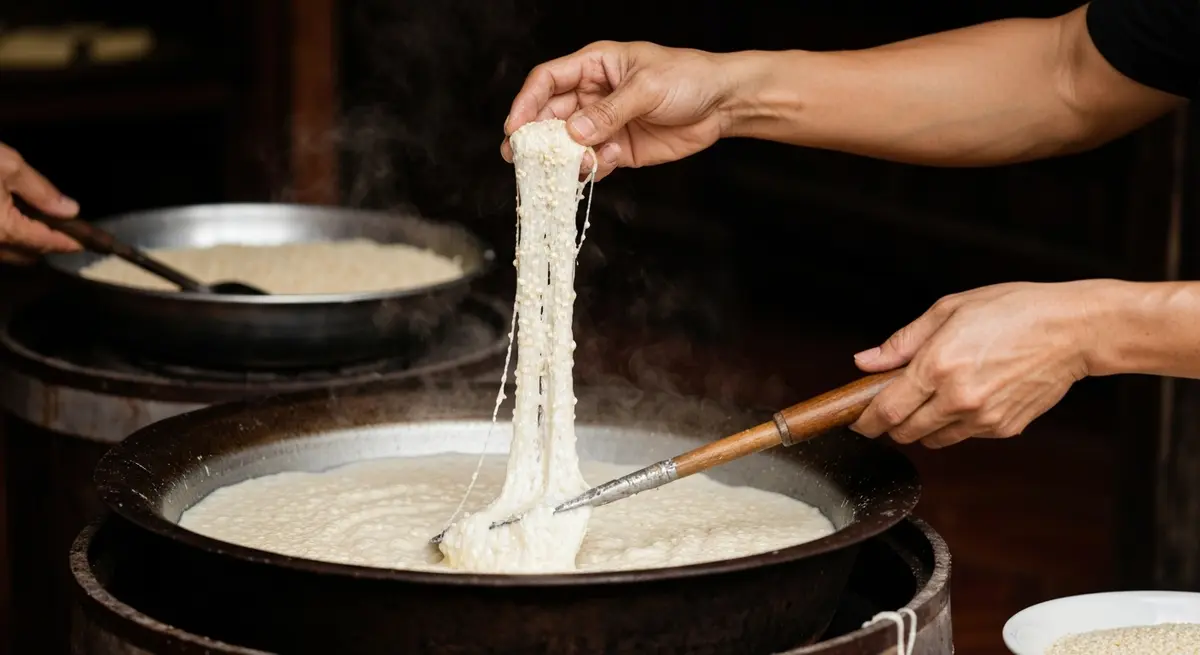
Hue Shrimp Paste — The Soul of the Ancient Capital’s Kitchen
The story of Vietnam’s most “difficult” condiment
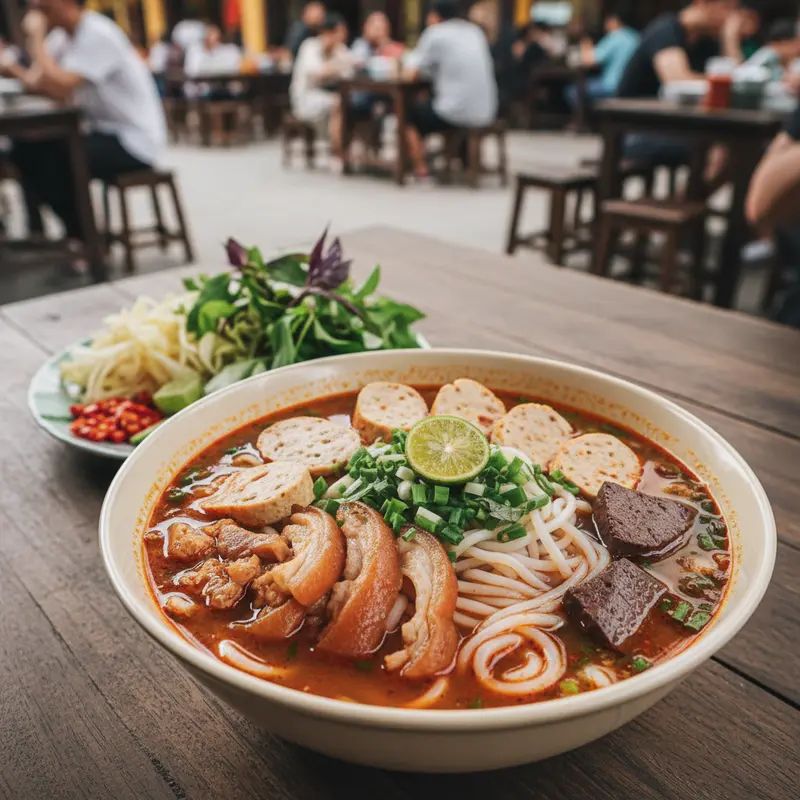
I know many tourists will grimace at this point. Shrimp paste — the kind with such a distinctive smell that it can “take over” an entire room — is one of the most cherished gifts that Hue people give to relatives far away. And if you’ve ever eaten authentic Bun Bo Hue — not “Hue-style” beef noodle soup in Saigon or Hanoi — you’ll understand why.
Shrimp paste (also known as “mam tom chua” in some regions, though they are actually different) is a fermented product made from sea shrimp — tiny shrimp caught along the coasts of Thuan An, Lang Co, and Phu Vang. The process of making Hue shrimp paste is completely different from shrimp paste in the North or South: it has a lower salt ratio, a shorter fermentation time (usually 3-6 months), and especially, it includes some secret spices depending on each family making the paste.
Good Hue shrimp paste has a beautiful pinkish-purple color, not black or too red, a strong but not pungent smell, and a harmonious sweet and salty taste with a deep umami aftertaste. It is indispensable in Bun Bo Hue, Com Hen, Banh Canh Ca Loc, and dozens of other signature dishes of the Hue region.
Classifying shrimp paste and how to choose the right one
There are currently two main types of shrimp paste on the market in Hue:
Fresh Shrimp Paste (raw shrimp paste): This type has not been heat-treated, has the strongest smell, and is the most delicious, but it is harder to preserve (needs to be kept in the refrigerator’s cool compartment and used within 2-3 months). This is the type that Hue housewives use daily.
Stir-fried Shrimp Paste (cooked shrimp paste): Stir-fried with lemongrass, chili, sugar, and cooking oil — it has a milder smell, can be preserved longer at room temperature (about 1-2 months), and is easier to use for those who are not accustomed to it. This is the most suitable type to bring as a gift for a long trip.
Commercially Packaged Shrimp Paste: Large brands like Ba Giao Khoe Shrimp Paste, Co Gai Hue Shrimp Paste… have been sterilized, have a longer shelf life, and are convenient, but their flavor is somewhat milder compared to handmade products.
[!WARNING] Absolutely do not buy fresh shrimp paste if you are flying and do not have a tightly sealed, well-insulated container. The smell of fresh shrimp paste can “fill” the entire luggage compartment and cause inconvenience to other passengers. Choose stir-fried shrimp paste or commercially packaged shrimp paste with a tightly screwed lid.
Where to buy delicious and reputable shrimp paste
- Dong Ba Market (fish sauce and shrimp paste area, ground floor): This is the “holy land” for buying shrimp paste for Hue people. You will see dozens of stalls displaying shrimp paste in large barrels. Ask to buy Thuan An shrimp paste or- Phu Vang — these are the two best ingredient regions.
- An Cuu Market (Hung Vuong Street): Fewer tourists, prices are usually better, and the goods are fresh because it’s a local market.
- Shrimp paste making facilities in Thuan An: If you have time, a trip to the coastal area of Thuan An (about 12km from Hue city center) to buy shrimp paste directly from the makers is a worthwhile experience. Prices are 20-30% cheaper, and you can also witness the traditional shrimp paste making process.
[!NOTE] When buying shrimp paste at the market, ask the seller to pack it in a glass jar with a screw-on lid instead of a plastic bag. It costs a few thousand VND more but helps preserve it much better and you won’t have to worry about leaks in your luggage.
Reference prices: Fresh shrimp paste at the market: 30,000 – 72,000 VND (≈$3)/kg. Stir-fried shrimp paste in jars: 50,000 – 144,000 VND (≈$6)/500g jar depending on the brand.
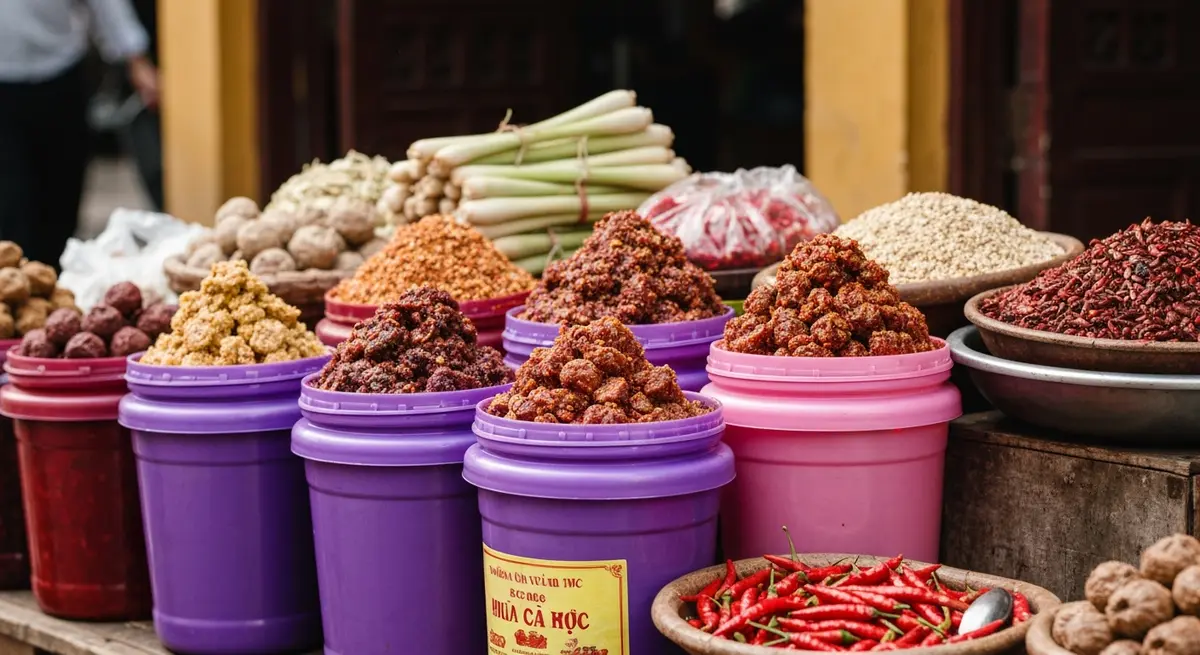
Hue Conical Hat — When Handicraft Becomes a Cultural Icon
Hue Conical Hat — More Than Just a Hat
If there is one thing that embodies the soul of Hue in a single object, it is the conical hat. But the Hue conical hat is not like the conical hats from any other region in Vietnam. It is thinner, lighter, and most notably — it is translucent, allowing you to see the image inside when held up to the light. These are the famous “poem hats” (or “tho hats”) of Hue.
Hue poem hats are made from non la (young palm leaves) from the mountainous region of Thua Thien Hue. The artisans press the leaves thin, dry them, and then stitch them layer by layer onto a bamboo frame using fine nylon thread. The special feature is that between the two layers of leaves, the artisans embed Nom script poems, images of Truong Tien Bridge, Ngu Binh Mountain, or lotus flowers — and when the hat is held up to the sunlight, these images appear shimmering like a painting.
The conical hat making craft in Hue is concentrated in Phu Cam village (Phu Cam ward, Hue city) and especially Thuy Thanh village (Huong Thuy town) — considered the “capital” of Hue conical hat making, with over 70% of households in the village practicing this craft for generations.
Distinguishing Genuine Hue Conical Hats from Fakes
This is an extremely important part because the current market is flooded with industrially produced hats from other provinces brought to Hue and sold at much lower prices.
Signs of a genuine Hue conical hat:
- Thinness and transparency: A genuine hat will be transparent when held up to the light, with clear images visible. Industrial hats are usually thick and opaque.
- Nylon stitching: The stitches are even, fine, and without obvious joins. Hue’s handmade hats have very delicate stitching.
- Natural leaf scent: Newly made Hue conical hats have a gentle, natural palm leaf scent. Industrial hats sometimes have a chemical odor.
- Weight: Hue hats are extremely light — a standard hat usually weighs only 150-200g. If it feels heavy in your hand, it’s not a genuine Hue hat.
- Price: A good quality handmade Hue conical hat cannot be priced below 60,000 VND (≈$2). If you see hats sold for 20,000 – 36,000 VND (≈$1), they are definitely industrial products.
Where to Buy Conical Hats to Ensure Authenticity and Have an Experience?
Thuy Thanh Village (about 7km from Hue city center): This is my number one choice. You can not only buy hats directly from the makers at the best price but also watch — and even try — the hat stitching process. Many families here are very open to tourists and are happy to explain each step.
Dong Ba Market (handicraft section): More convenient in terms of location, with more choices, but prices are about 20-30% higher than buying at the village.
Nguyen Dinh Chieu Walking Street and the area of Dai Inside: There are many shops selling beautiful conical hats, well-packaged, suitable for gifts, but check the quality carefully before buying.
[!TIP] If you want a truly unique Hue conical hat as a souvenir, go to Thuy Thanh village and ask a craftsman to make one with your name or a requested image embedded inside. Many artisans here accept custom orders and can finish it in just 1-2 days. This is an extremely meaningful gift that cannot be bought anywhere else.
Reference Prices: Handmade Hue conical hats: 50,000 – 240,000 VND (≈$9) depending on quality and craftsmanship. High-end poem hats can cost up to 300,000 – 600,000 VND (≈$23).

Other Specialties Not to Be Missed When Buying Gifts in Hue
Although this article focuses on the three main items, if you have space in your luggage, here are the things I always bring back when leaving Hue:
Green Bean Cakes and Other Dried Hue Cakes
Hue green bean cakes are different from Hai Duong green bean cakes — smaller, less sweet, and often made in the “banh in” style with beautiful shapes. Combined with banh phuc linh and almond cakes — all are small, easy-to-carry, and well-preserved gifts.
Hue Royal Tea
Hue has a tradition of tea drinking dating back to the royal court, and Hue’s teas infused with lotus, jasmine, and osmanthus flowers have a special flavor. Look for them at traditional tea shops on Phan Dinh Phung street or near Thien Mu Pagoda.
Hue Fermented Bean Paste
Less known but extremely delicious: Hue fermented bean paste (Nam Pho paste) is made from fermented soybeans and glutinous rice, with a beautiful reddish-brown color and a complex umami flavor. Use it for dipping rice paper rolls, fresh vegetables, or in braised dishes — this is what Hue natives living abroad miss the most.
How to Travel to Hue and Get Around the City
From Da Nang to Hue — The Smartest Choice
Hue is about 100km from Da Nang by road, crossing the majestic Hai Van Pass. This is one of the most beautiful routes in Vietnam, and how you travel through it will largely determine your experience.
Many tourists opt for cheap buses, but this means you’ll miss the best views on Hai Van Pass, be tied to a fixed schedule, and lack the flexibility to stop for photos or visit attractions along the way.
The option I always recommend to my friends and readers is to book a private transfer from Da Nang to Hue through Faifo Express. The reasons are:
- Local drivers with local knowledge: They know the best stops on Hai Van Pass, safe places for photos, and delicious local eateries along the way that aren’t in any guidebook.
- Safe and punctual: New vehicles, experienced drivers familiar with mountain passes, no worries about overcrowding or reckless driving like some buses.
- Flexible itinerary: You can request stops at Lang Co, the top of Hai Van Pass, or any point you wish — impossible with buses.
- All-inclusive, no hidden fees: The price includes everything, no worries about being overpriced or paying extra fees.
If you are flying into Da Nang and want to go directly to Hue, Faifo Express’s Da Nang airport transfer service can pick you up right at the gate and take you directly to Hue without any further hassle.
[!NOTE] In addition to the Da Nang – Hue route, Faifo Express also offers transport to Hoi An and transport to Ba Na Hills — very convenient.oi if you want to combine multiple destinations in one trip to Central Vietnam.
Getting Around Hue City
Once you’re in Hue, the city isn’t too large and there are many ways to explore:
- Rental Bicycle: Ideal for cycling around the old quarter, along the Huong River. Rental price is around 50,000 – 96,000 VND (≈$4)/day.
- Rental Motorbike: Suitable for traveling further, such as to Thuan An or Thuy Thanh conical hat village. Price is 120,000 – 216,000 VND (≈$8)/day.
- Cyclo: A characteristic Hue experience, perfect for slow-paced sightseeing. Negotiate the price beforehand, around 100,000 – 240,000 VND (≈$9)/hour.
Frequently Asked Questions
Frequently asked questions about What to Buy as Souvenirs in Hue, Vietnam?
What is the best way to use this guide to What to Buy as Souvenirs in Hue, Vietnam??
Is What to Buy as Souvenirs in Hue, Vietnam? suitable for a first-time visitor?
Can I combine What to Buy as Souvenirs in Hue, Vietnam? with other nearby plans?
What should I confirm before making plans for What to Buy as Souvenirs in Hue, Vietnam??
How can I avoid last-minute problems with What to Buy as Souvenirs in Hue, Vietnam??
Tags
The Faifo Express
This article was written by the driver and travel consultant team at Faifo Express — over 5 years of experience in travel transport across Da Nang, Hoi An, and Hue. All information is based on real experience serving 5,000+ customers every month.
Related services
Airport Transfer
Hotel pickup, all-inclusive price
View DetailsDay Tour Car Rental
Ba Na Hills, Hoi An, My Son...
View DetailsShared Car
From just 100K VND/person
View DetailsTourist Car Rental
Explore the beauty of Central Vietnam with our private tourist car service.
View Details🛣️ Popular Routes
Follow Faifo Express
Get exclusive deals, real reviews and the latest Central Vietnam travel tips.
Faifo Express
Updates, customer reviews & real trip photos.
@trm.anh.travel
Real experience videos, Da Nang – Hoi An travel tips.
@xedichvudananghoianhue
Real videos of routes, fleet and transfer services.
@xedananghoianFE
Quick news, flash deals and direct interaction.
DM us on Facebook — response within 5 minutes